
How Pokemon Store Dubai Writes A Modern Myth For Collectors And Storytellers
Mythmaking was previously found in ancient writings but now can be found in places where imagination and ritual come together, where objects hold stories, and where communities come together in places where they can build deeper meaning.
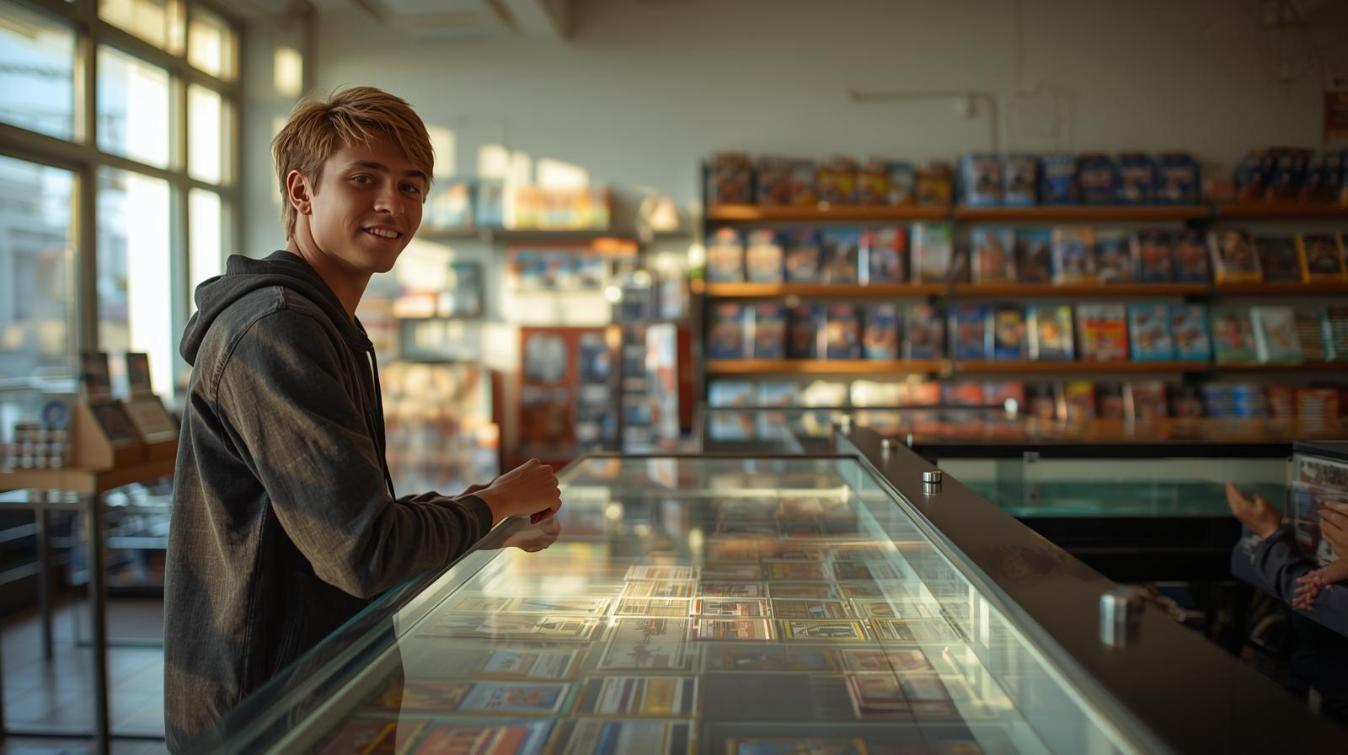
When entering the Pokemon store Dubai, customers encounter more than just merchandise; they encounter a world where characters, battles, and adventures of folklore build a living landscape.
In the Dubai store, a shelf of cards becomes a library, a booster pack becomes a sealed chapter of history, and a rare card becomes a fabled relic.
For collectors, acquiring cards becomes a story in and of itself, providing a structure that encompasses a cycle of discovery, challenges, and rewards.
Collecting cards becomes a form of literature, having a structure akin to classic novels.
Concluding Collectors As Protagonists In An Ongoing Saga
Collectors of cards, without realizing it, insert themselves into literature’s hero’s journey.
We can parallel the search for cards with the quest for treasure in novels.
The emotional stakes that come with getting a card, the community of collectors, the competition among a group of friends, the journey, and the hardships are all part of a story.
Each binder holds a story of its own, with each card telling a story, just as in a library. Each chapter influences the next, and each one holds a story of its own.
Because this myth relies on collaborative construction, each trade or tournament adds a new chapter to this chronicle.
The dialogue of collectors creates a kind of literary salon, where interpretive play, speculation, and theorizing animate new worlds of fiction.
Here, storytelling is active rather than passive, making the world a more dynamic and collaborative place.
Objects That Function Like Literary Symbols
In literature, symbols embody characteristics of the world beyond themselves. Rings, swords, and letters can symbolize fate, power, or even a whole world.
In that sense, cards function as a symbol. The holographic material does not just signify a print and foil card; it marks rarity, memory, and status in a narrative hierarchy.
The objects resonate with emotionally charged moments of the collectors’ lives and intertwine with the worlds of fiction.
The sources of the unbridled optimism are not only the worlds of fiction. It is the world that is expanded.
The modern mythos is a world that is fully imaginative and does not end or be contained to the pages of a book.
It lives on in the act of collecting, trading, and sharing stories.
ALSO READ: Storytelling on TikTok: How Literature Enthusiasts Can Captivate and Expand Their TikTok Following
A Bridge Between Written Worlds And Living Culture
The Pokémon universe exists in multiple narrative worlds, including game texts, character development, and worldbuilding consistent with several literary traditions.
Pokémon retail stores further extend the universe into experiential narratives.
Fans shift from readers and players to direct cultural collaborators who influence the ways in which stories are cultured and circulated.
This change also reflects the evolution of literature from oral traditions to print to digital interactive forms.
Myths have always transformed to suit the medium, which, in this case, includes cardboard, dialogue, and social structures.
The enduring optimism of this practice is the central and enduring human interest in relational connectedness through the act of storytelling.
A Modern Myth Still Being Written
What emerges is a phenomenon of living folklore rather than nostalgia.
Each new cohort of collectors integrates their meaning and personal response, adding cultural memory and ensuring that the associated myths are living.
The example also illustrates literature’s central and constituent features of symbolism, character, conflict, and resolution that persist beyond the boundaries of the bookshelf, carried by communities and embedded in shared imaginings.
Tags: collector storytelling, Pokemon culture